Short answer
Bar: a 7 foot Olympic bar, 20 kg (or 15 kg for smaller hands), with sleeves that take 2 inch plates. Plates: rubber bumpers if you will drop the bar or lift over a wood floor; iron plates if you want more weight in less space. Always add collars.
Choosing a bar
Olympic bar weights from the IWF equipment rules
| Men’s bar | Women’s bar | |
|---|---|---|
| Weight (IWF) | 20 kg | 15 kg |
| Who it suits | Most lifters | Smaller hands; lighter starting loads |
| Plates | 2 inch Olympic | 2 inch Olympic |
The IWF sets the 20 kg and 15 kg weights and 2.5 kg collars for competition (IWF). Home bars are sold in the same weights. A power bar is stiffer for heavy squats and deadlifts; a general bar with some whip suits cleans and snatches.
-
01Budget
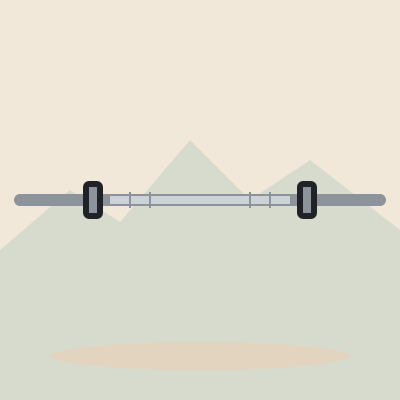
Basic 7 ft 20 kg barbell
Best for: A first bar for general lifting
- Length
- 7 ft (listing)
- Sleeves
- 2 in (listing)
-
02Power bar
Titan Midway 20 kg power bar
Best for: Squats and deadlifts with heavier loads
- Shaft
- 30 mm (listing)
- Sleeves
- Bronze bushings (listing)
-
0315 kg
Bumpers or iron
Bumpers vs iron plates
| Bumper plates | Iron plates | |
|---|---|---|
| Dropping the bar | Made for it (over mats) | Hard on floors and plates |
| Height on the floor | Same diameter for every weight | Light plates sit lower |
| Weight per inch of sleeve | Less (thicker plates) | More (thinner) |
| Noise | Quieter | Loud |
| Used market | Common | Very common, often cheap |
Many home gyms run both: bumpers for deadlifts and Olympic lifts, iron plates loaded on top when the bumpers run out of room.
-
04Bumpers
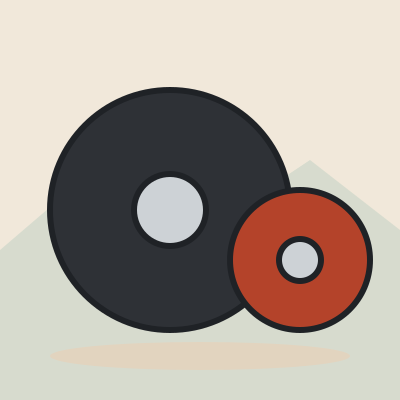
Crumb rubber bumper plates, 45 lb pair
Best for: Lifting over a garage or basement floor
- Diameter
- 450 mm (listing)
- Warranty
- 1 year on 25, 35 and 45 lb (listing)
-
05Build up
Single bumper plates
Best for: Adding weight one pair at a time
- Sizes
- 10, 25, 35, 45 lb (listing)
-
06Iron
Cast iron Olympic plates
Best for: More weight on the bar, lower cost per pound used
- Fit
- 2 in Olympic sleeves
Small things that matter
Bar and plate extras
Iron plates are everywhere on Utah used listings; weigh a few before you pay (checklist). For the floor under them, see home gym flooring.
Questions people ask
How much does an Olympic barbell weigh?
Under International Weightlifting Federation rules, a men’s bar weighs 20 kg (about 44 lb) and a women’s bar 15 kg (about 33 lb). Many home bars follow those weights; check the listing for yours.
Are bumper plates worth it?
If you deadlift, clean or might drop the bar, yes. All full size bumpers share one diameter, so even light plates hold the bar at the standard deadlift height, and the rubber is kinder to floors. Iron plates are thinner, so more weight fits on the bar.
How much weight should I start with?
A common starting set is a bar plus pairs of 10, 25 and 45 lb plates (205 lb total with a 45 lb bar). Add pairs as you get stronger; small change plates help with presses.
Sources
Last reviewed October 29, 2026. Store hours, listings and models change; call a store before you drive and follow the maker’s instructions for setup and weight limits.