Short answer
Buy two bells: a heavier one for swings and goblet squats and a lighter one for presses. Our rule of thumb: pick a swing bell you can move for about 15 clean reps, and a press bell you can lift overhead for 5 to 8. Cast iron lasts forever; adjustable bells save space if you need several weights.
Bells to compare
-
01Fixed
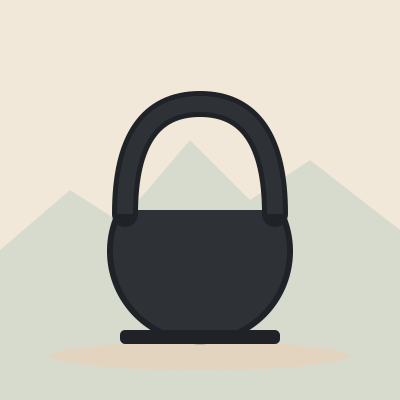
Powder coated kettlebell, 31 lb
Best for: Swings and goblet squats
- Core
- Cast iron (listing)
- Finish
- Powder coat (listing)
-
02Heavier
Enamel cast iron kettlebell, 40 lb
Best for: Heavier swings and carries
- Weight
- 40 lb (listing)
-
03Adjustable
Adjustable kettlebell, 20 to 40 lb
Best for: Several weights in one footprint
- Range
- 20 to 40 lb (listing)
What to check
- Handle: smooth, no seams that pinch, wide enough for two hands on swings.
- Finish: powder coat grips chalk better than glossy paint.
- Flat base: so it sits still for renegade rows and does not roll.
- Weight marked in both pounds and kilograms helps when you follow a program.
Kettlebells are easy to buy used: check for cracks and a smooth handle (checklist). They pair well with adjustable dumbbells in a small home gym.
Questions people ask
What kettlebell weight should a beginner buy?
Pick a weight you can swing for about 15 reps with good form and goblet squat comfortably. That is a starting guide, not a rule; if you can, try weights at a store first.
Are adjustable kettlebells good?
They save space and money when you need several weights. The handle shape and balance can differ from a fixed bell, so check the listing for how the weight locks.
Cast iron or competition kettlebells?
Cast iron bells change size with weight; competition bells keep one size. For home training cast iron is common and cheaper; competition bells suit high rep sport style training.
Last reviewed October 29, 2026. Store hours, listings and models change; call a store before you drive and follow the maker’s instructions for setup and weight limits.